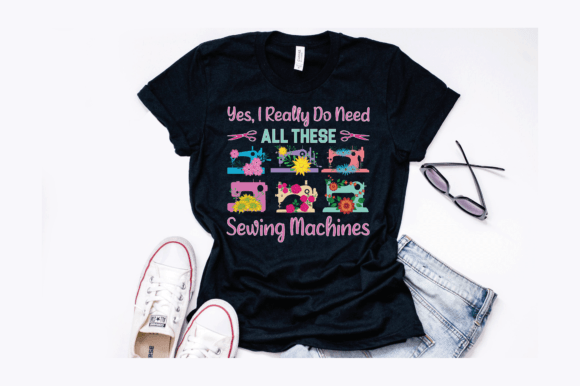
Sewing Machines Design: A Real-World Embroidery Review
As a designer who has spent years navigating the fine line between digital promise and stitched reality, I approach every new machine embroidery design with a critical eye. The market is flooded with generic patterns, but finding a Graphics file that truly translates well to fabric requires patience and experience. Today, I am evaluating the Sewing Machines Design, a pattern marketed for its versatility across t-shirts, mugs, and various personalized items. My goal here isn't just to describe what it looks like on a screen, but to project how it will behave under the needle of an embroidery machine in a real-world scenario.
First Impressions: Mood and Visual Personality
When I first opened the preview for Sewing Machines Design, the immediate impression was one of nostalgic utility. It carries a distinct visual weight that suggests craftsmanship rather than fleeting trends. The layout feels balanced, avoiding the common pitfall of overcrowding where details get lost in the stitching process. For those of us creating custom apparel or handmade products, this kind of clarity is essential. The design possesses a personality that speaks to makers—people who appreciate the tools of their trade. It feels less like a decorative flourish and more like a statement piece, which makes it a strong candidate for branding a small shop product or adding character to a boutique collection.
The shape is robust enough to stand out without needing excessive outlining. In the world of digital embroidery files, simplicity often wins when it comes to stitch definition. This design seems to understand that lesson, offering clean lines that should translate well into both satin stitch borders and fill stitch areas. However, as always, the screen is not the final judge; the hoop is.
Testing the Waters: A Real Project Scenario
To truly understand the potential of Sewing Machines Design, I imagined a specific use case: creating a set of high-end embroidered tote bags for a local craft fair. Tote bags are a staple for Etsy sellers and creative entrepreneurs because they offer a large, flat canvas, yet they also present challenges regarding fabric stability and thread tension.
In this scenario, placing the design on a sturdy cotton canvas would allow the intricate details of the sewing machine motif to pop. The stitch density appears moderate, which is ideal for preventing puckering on heavier fabrics. If I were using this for a tote bag design, I would likely opt for a medium-weight stabilizer to ensure the back of the embroidery remains smooth. The result would be a professional-looking finished product that signals quality to a customer browsing a booth. Unlike a simple logo, this design tells a story, potentially increasing buyer engagement by resonating with other crafters or sewing enthusiasts.
Conversely, if I were adapting this for sweatshirt embroidery, the texture of the fleece would require careful consideration. The loops in the fabric can sometimes interfere with fine details. Here, the bold nature of Sewing Machines Design becomes an asset. It wouldn't get swallowed by the nap of the sweatshirt, maintaining its visibility and impact even from a distance. This versatility is exactly what a small business owner needs when trying to diversify their inventory without purchasing ten different designs.
Navigating Challenges: Where Caution Is Needed
While the design shows great promise, no embroidery file is without its limitations. As a reviewer, I must point out where this design might struggle if not handled correctly. First, consider the hoop size. If you are working with a compact machine or a very small hoop, you may need to resize the design. Be cautious when scaling down; reducing the size too much can cause the delicate parts of the sewing machine illustration to become indistinct blobs of thread.
Another area requiring attention is the fabric choice. On thin or highly stretchy fabrics, such as jersey knit used for T-Shirt Designs, the density of the fill stitches could cause significant distortion. You would need a cutaway stabilizer and potentially reduce the pull compensation settings on your machine. Similarly, while the description mentions mugs, applying an embroidered patch to a curved surface like a cap or a mug requires a specialized backing and precise placement to avoid wrinkles.
Dark fabrics also present a challenge. If you plan to embroider this on black denim or navy cotton, the contrast of the thread colors becomes critical. A light-colored thread might show the fabric underneath if the stitch density isn't high enough, leading to a "see-through" effect that lowers the perceived value of the finished product. Always test a swatch first.
Practical Designer Notes for Success
Before committing to a full production run or selling items featuring Sewing Machines Design, follow these practical steps to ensure professional results:
- Test on Scrap Fabric: Never skip the test run. Stitch the design on a scrap piece of the actual fabric you intend to use. This allows you to check for puckering, thread breaks, or registration issues.
- Check Thread Contrast: Verify that the thread colors stand out against your background. For dark fabrics, consider adding a layer of white underlay to make the colors pop.
- Review Stabilizer Needs: Match your stabilizer to the fabric weight. Heavy fabrics need heavy support; lightweight knits need tear-away or wash-away options that won't stiffen the garment.
- Inspect Small Details: Zoom in on the digital file to see if any tiny elements might get lost during stitching. Sometimes, simplifying a detail digitally before importing it yields better results.
- Mockup Testing: Create a printable mockup in black and white to visualize the design's balance before spending thread and time.
- Licensing Check: Confirm the licensing terms. While the description suggests use for creating products, always verify if you are allowed to sell the digital embroidery file itself or only the physical goods made from it.
Impact on Brand and Customer Trust
Ultimately, the value of Sewing Machines Design lies in its ability to elevate a basic item into a premium personalized gift. When a customer receives a custom apparel item with a well-executed, meaningful design, their trust in your brand increases. It shows attention to detail and a commitment to quality. Whether you are making baby embroidery for a nursery, holiday embroidery gifts, or merchandise for a craft business, the visual appeal directly correlates to customer satisfaction.
This design offers a unique opportunity for commercial embroidery projects because it appeals to a niche audience that values the art of making. It fits perfectly within a cohesive brand identity for a maker-focused shop. By choosing a design that resonates with the target demographic, you enhance the giftability of your items and strengthen your reputation as a creator who understands their customers.
Final Verdict
Sewing Machines Design is a solid addition to any embroidery library, provided it is used with thoughtful preparation. It excels on stable fabrics and larger surfaces where its details can shine. While it requires care on stretchy or textured materials, the rewards—a professional, engaging, and meaningful embroidered patch or garment—are well worth the effort. For the serious crafter, the Etsy seller, or the small shop owner looking to add depth to their catalog, this design offers a reliable path to creating memorable handmade treasures. Just remember to test, stabilize, and respect the nuances of the stitching process to achieve the best possible outcome.